Professional Sushi Training in Nepal
Description
The International Hotel Training School (IHTS) is launching a brand-new professional sushi training program in Nepal, giving beginners, culinary enthusiasts, and career changers the chance to learn authentic sushi techniques from experienced chefs. This program is designed for anyone who wants to gain hands-on skills, understand Japanese culinary traditions, and prepare for professional opportunities in restaurants, hotels, or even their own food ventures.
Through structured lessons and practical kitchen experience, students will learn everything from rice preparation to advanced sushi presentation, ensuring they develop confidence and competence in real-world culinary settings.
Start exploring sushi training options to see how you can turn your passion into a practical skill set for the culinary industry with IHTS.
What is Professional Sushi Training?
Professional sushi training is a comprehensive program that teaches students the art, techniques, and professional standards of sushi making. It combines traditional Japanese methods with modern culinary practices, giving learners the tools to succeed in kitchens worldwide.
The course emphasizes precision knife skills, proper rice preparation, fish selection and handling, sushi plating, and hygiene standards. By the end of the training, students are equipped to work in hotels, restaurants, or start their own sushi business.
Why Enroll in Our Professional Sushi Training?
Choosing the right sushi training can make all the difference for beginners and aspiring chefs. Our professional program in Nepal combines expert instruction, hands-on practice, and world-class facilities to give you the skills and confidence to succeed in any kitchen.
Industry-Leading Sushi Curriculum
- Over 200 hours of immersive, hands-on training
- Learn traditional sushi techniques that meet global standards
- Exposure to modern sushi trends shaping today’s culinary scene
Learn From Master Sushi Chefs
- Instructors with 10–20 years of international experience
- Training from chefs who have worked in Tokyo’s top sushi restaurants, international hotel chains, and Michelin-starred establishments
- Personal guidance to develop skills at a professional level
World-Class Training Kitchen
- Authentic sushi bar setup for realistic practice
- Access to premium Japanese ingredients
- Professional-grade tools, including yanagiba knives, hangiri rice tubs, and makisu bamboo mats
Skills You’ll Learn with Sushi Training
Students completing a professional sushi program develop essential culinary skills, including:
- Mastering knife handling and precision cutting techniques for fish and vegetables
- Preparing sushi rice perfectly, including washing, cooking, and seasoning
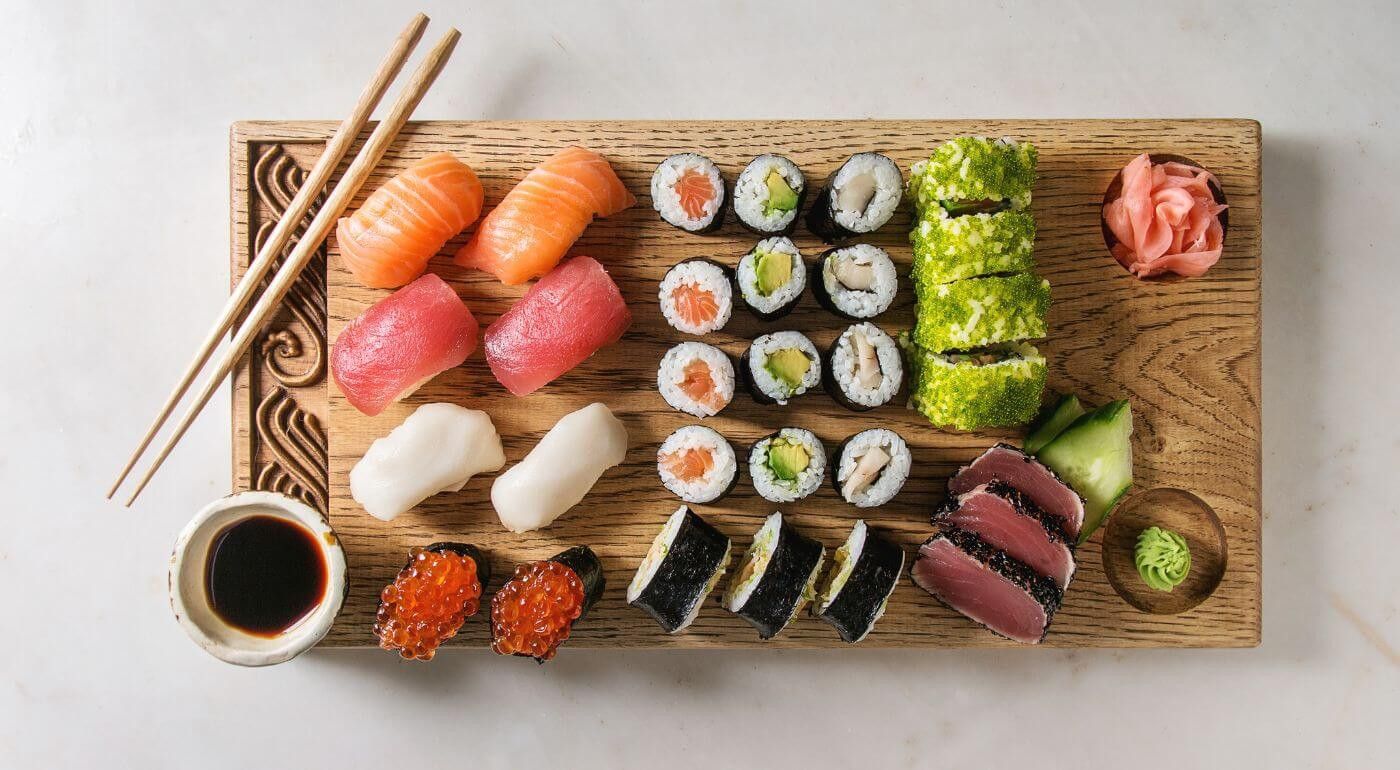
- Creating nigiri, maki, sashimi, and fusion sushi dishes
- Selecting and storing ingredients correctly
- Plating and presenting sushi professionally
- Maintaining hygiene, kitchen workflow, and food safety standards
Think about how each career path aligns with your long-term goals and choose the best one.
Course Structure and Modules
Professional sushi training is designed to take students from beginner to confident sushi maker through a structured and progressive approach. The program is carefully divided into phases, allowing students to first build foundational skills, then master core techniques, and finally practice advanced applications.
Phase 1: Foundations (Weeks 1–2)
Students are introduced to Japanese culinary philosophy, sushi history, and the basics of knife handling. Rice preparation techniques and seafood handling are taught with a focus on hygiene and safety.
Phase 2: Core Techniques (Weeks 3–4)
Students practice making nigiri, sashimi, and maki rolls, learning proper fish selection and filleting. The emphasis is on mastering traditional sushi presentation and understanding the characteristics of different sushi styles.
Phase 3: Advanced Techniques & Kitchen Practice (Weeks 5–6+)
This phase introduces fusion sushi, creative plating, and advanced rolls. Students learn how a sushi bar operates, including kitchen workflow, ingredient management, and maintaining food safety standards in a professional setting.
Flexible Training Options
Everyone learns differently, and schedules vary. Our sushi program offers full-time, part-time, and corporate training options so you can choose the format that fits your goals and lifestyle.
- Full-time: 6-week intensive program for fast skill development
- Part-time: 12-week weekend classes for working students or beginners with limited time
- Corporate training: Specialized courses for restaurant staff or teams looking to upskill
Training Setup
A proper sushi training program relies heavily on its training environment and equipment. The setup is designed to simulate a real professional kitchen so students can gain practical experience while learning essential skills.
A structured setup ensures that beginners get hands-on practice in realistic conditions, helping them understand workflow, hygiene, and ingredient management before working in actual restaurants.
Kitchens
- Fully equipped kitchens with an authentic sushi bar setup
- Designed to replicate professional restaurant environments
- Hands-on practice stations for each student
- Focus on real-world workflow and efficiency
Ingredients
- High-quality Japanese ingredients for authentic sushi flavor
- Fresh seafood and vegetables for hands-on practice
- Proper sourcing and handling techniques demonstrated
- Exposure to traditional and seasonal ingredients
Tools
- Yanagiba knives for precise fish cutting
- Hangiri rice tubs for proper sushi rice preparation
- Makisu bamboo mats for rolling maki
- Other professional sushi tools to ensure correct technique
Enrollment Process
Choosing the right sushi training is key for beginners and aspiring chefs. This program in Nepal combines expert guidance, hands-on practice, and world-class facilities to help you build skills and confidence for any professional kitchen.
- Apply online or in person to reserve your seat
- Attend the orientation session to understand the program and facilities
- Select your preferred training schedule (full-time or part-time)
- Begin your sushi journey with hands-on guidance from expert chefs
What You Can Do After Sushi Training
Completing professional sushi training opens multiple career opportunities:
- Work as a sushi chef in hotels, restaurants, or Japanese dining spots
- Join cruise ships or international hospitality chains as a sushi professional
- Start a sushi-focused catering business or restaurant
- Enhance an existing restaurant menu with authentic sushi options
- Pursue further culinary studies or specialization in Japanese cuisine
Study with IHTS
IHTS is an ideal choice for anyone looking to learn professional sushi in Nepal. The school provides industry-level kitchens, experienced chefs, and an ISO-certified curriculum to ensure that students gain both practical skills and theoretical knowledge. The training emphasizes hands-on experience, helping students understand the full workflow of a professional sushi kitchen.
By choosing IHTS, students not only receive high-quality instruction but also benefit from internship opportunities and career support, preparing them for real-world employment and global recognition in the culinary industry. This combination of professional guidance, authentic training, and practical experience makes IHTS a strong starting point for aspiring sushi chefs.
Start your methodical and practical training session with IHTS. Contact us today!
Our Other Training Courses:
Diploma in Culinary Arts, Diploma in Bakery and Pastry, Basic Cooking Class, Certificate in Culinary Arts, Indian Cook training, Continental Cook Training, Sushi Training, Newari and Nepali Cuisine Training, Chinese Cook Training, Italian Cuisine Training, Bakery Training, Housekeeping Training, Waiter Training, Pizza Maker Course, Diploma in Hotel Management
View our Location in Kathmandu, Nepal
FAQs
How long is a Professional Sushi Course in Nepal?
Typically, the training runs for 6 weeks full-time. Some part-time programs may extend to 12 weeks to accommodate working students.
Do I need prior cooking experience to enroll?
No prior culinary experience is required. The program is designed for beginners as well as those with some cooking background.
What kinds of Sushi will I learn to make?
Students learn nigiri, sashimi, maki rolls, and fusion sushi techniques. Advanced students practice creative plating and specialty rolls.
Will I learn hygiene and seafood handling practices?
Yes, hygiene, food safety, and proper seafood handling are core components of the training.
Can I get a certificate at the end of training?
Yes, students receive a globally recognized certificate upon completing the program.
What kind of career opportunities can I expect after completing the course?
Graduates can work in hotels, Japanese restaurants, cruise ships, or catering businesses, or start their own sushi venture.
What tools and ingredients are provided during the training?
Students use professional sushi tools such as yanagiba knives, hangiri rice tubs, makisu mats, and authentic Japanese ingredients, including fresh seafood.
Other Blogs
- Pastry Making Classes in Kathmandu: Turn Your Passion for Baking into a Professional Career
- Cake Training in Nepal: Build a Career with Professional Baking Skills
- Professional Espresso Making in Kathmandu: Learn the Art of Brewing the Perfect Espresso
- Short-Term Hotel Training Courses in Kathmandu
- Cocktail Making Course in Kathmandu: Everything You Need to Know Before You Enroll
- Frequently Asked Questions (FAQs) on 15 days Barista Class
- Kitchen Helper Training: Your Shree Ganesh Step to a Culinary world
- Diploma in Hotel Management – Your Gateway to a Global Hospitality Career