Bartending Course
Description
Bartending Course Overview
Introduction to Bartending
Bartending is a professional skill that combines the art of beverage preparation, customer service, product knowledge, and hospitality. A bartender is not just someone who prepares drinks; they are responsible for creating memorable guest experiences while maintaining high standards of hygiene, safety, and professionalism. The hospitality industry demands bartenders who possess excellent technical skills, communication abilities, and confidence in handling guests from diverse cultural backgrounds.
The Bartending Course at International Hotel Training School (IHTS) is designed to provide students with comprehensive theoretical knowledge and practical experience in professional bartending. This one month intensive program equips learners with the skills required to work confidently in hotels, restaurants, pubs, lounges, resorts, cruise ships, event venues, and international hospitality establishments.
Throughout the course, students will learn the fundamentals of bar operations, beverage preparation, glassware selection, responsible alcohol service, inventory management, customer interaction, and modern mixology techniques. The course follows international hospitality standards and emphasizes practical learning through hands-on training.
Course Objectives
Upon successful completion of this course, students will be able to:
- Understand the role and responsibilities of a professional bartender.
- Maintain hygiene, sanitation, and workplace safety in a bar environment.
- Identify various types of spirits, liqueurs, wines, beers, and non-alcoholic beverages.
- Operate professional bar equipment correctly.
- Prepare classic cocktails, mocktails, and specialty beverages.
- Apply correct measuring, pouring, shaking, stirring, muddling, and layering techniques.
- Communicate professionally with customers and colleagues.
- Manage bar inventory and minimize product wastage.
- Practice responsible alcohol service according to industry standards.
- Prepare for employment opportunities in Nepal and abroad.
Importance of Professional Bartending
The hospitality industry is one of the fastest-growing industries worldwide. Hotels, restaurants, bars, cruise ships, airlines, resorts, casinos, and event companies continuously seek skilled bartenders who can provide exceptional service.
Professional bartending offers exciting career opportunities, attractive salaries, international exposure, and career growth. Skilled bartenders can advance to positions such as Bar Supervisor, Head Bartender, Beverage Manager, Restaurant Manager, or even establish their own beverage business.
What Students Will Learn
The course provides a balanced combination of theoretical knowledge and practical application. Students will learn:
Introduction to Hospitality
Understanding the hospitality industry, customer expectations, workplace ethics, grooming standards, teamwork, and professional behavior.
Bar Setup
Students learn the layout of a professional bar, workstation organization, equipment placement, cleaning procedures, and efficient workflow.
Bar Equipment
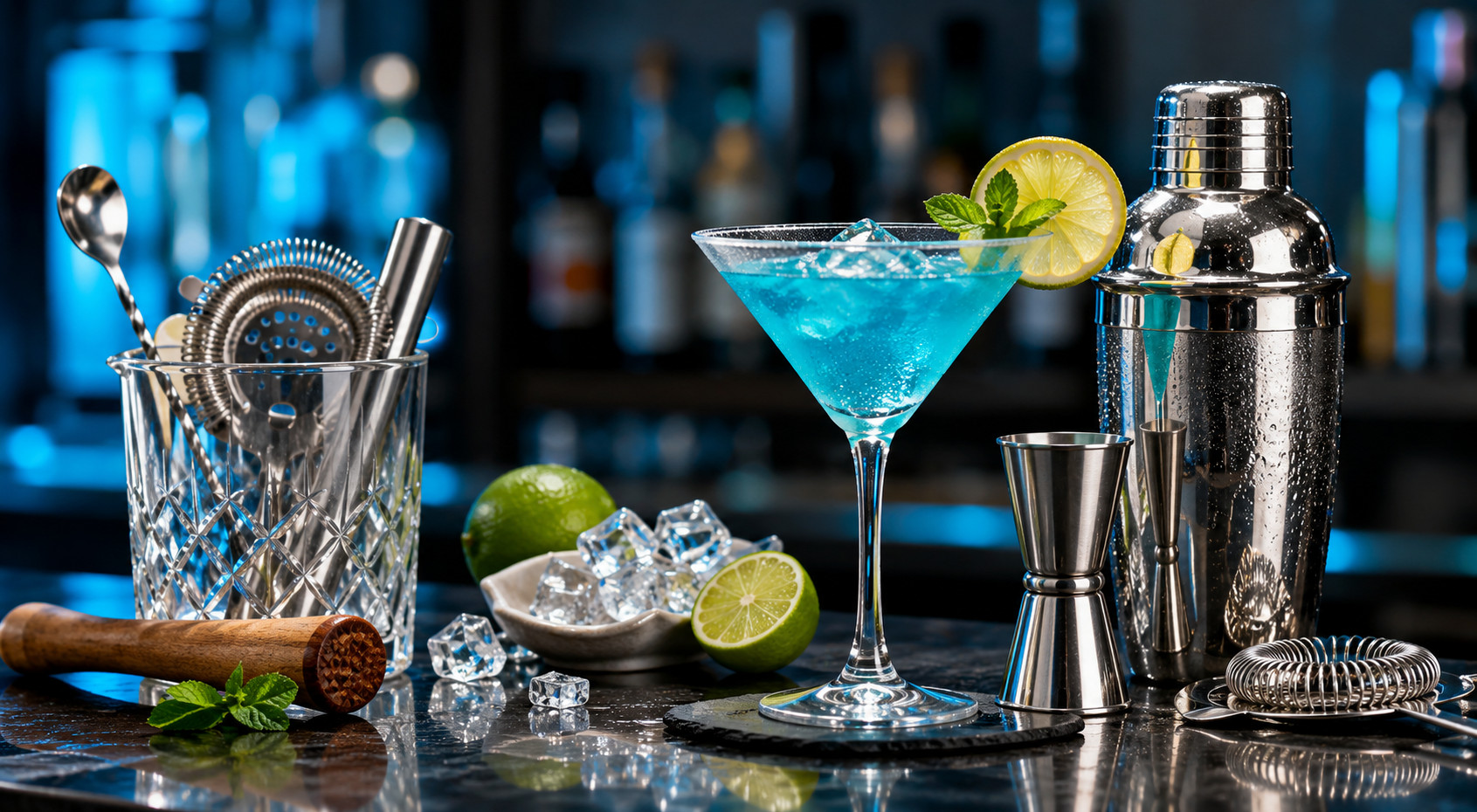
Identification and use of professional bar tools including:
- Cocktail Shaker
- Mixing Glass
- Jigger
- Hawthorne Strainer
- Fine Mesh Strainer
- Bar Spoon
- Muddler
- Bottle Opener
- Corkscrew
- Pour Spouts
- Ice Scoop
- Citrus Juicer
- Knife
- Cutting Board
Students practice proper handling and maintenance of each tool.
Glassware Knowledge
Selecting the correct glass is essential in beverage service. Students will identify and use:
- Highball Glass
- Lowball Glass
- Martini Glass
- Margarita Glass
- Hurricane Glass
- Wine Glass
- Champagne Flute
- Beer Mug
- Pilsner Glass
- Shot Glass
- Collins Glass
- Coupe Glass
- Irish Coffee Glass
Proper cleaning, polishing, storage, and handling procedures are also covered.
Knowledge of Spirits
Students gain an understanding of the world's major spirit categories:
- Vodka
- Gin
- Rum
- Tequila
- Whiskey
- Brandy
- Cognac
- Liqueurs
Topics include:
- Production methods
- Characteristics
- Serving temperatures
- Popular brands
- Flavor profiles
- Food pairing
Beer and Wine Knowledge
Students learn:
- Types of beer
- Brewing process
- Lager vs Ale
- Wine classification
- Red, White, Rosé, Sparkling Wine
- Wine service
- Wine storage
- Wine tasting basics
Mixology Fundamentals
Mixology is the science and art of preparing beverages.
Students will understand:
- Cocktail structure
- Flavor balancing
- Sweet, sour, bitter, and aromatic components
- Standard recipes
- Presentation techniques
Measuring and Pouring Techniques
Accuracy is essential in bartending.
Students practice:
- Free pouring
- Jigger measuring
- Speed pouring
- Portion control
- Cost control
Proper measuring ensures consistency, quality, and profitability.
Cocktail Preparation
Students prepare a wide variety of beverages including:
Classic Cocktails
- Mojito
- Margarita
- Martini
- Old Fashioned
- Daiquiri
- Cosmopolitan
- Whiskey Sour
- Long Island Iced Tea
- Negroni
- Manhattan
Mocktails
- Virgin Mojito
- Fruit Punch
- Shirley Temple
- Blue Lagoon
- Mint Cooler
- Tropical Sunrise
- Green Apple Fizz
- Citrus Splash
Students also learn beverage garnishing and presentation techniques.
Ice and Garnishing
Ice is a key ingredient in beverage preparation.
Students learn:
- Types of ice
- Ice storage
- Ice handling
- Ice quality
- Ice selection
Garnishes include:
- Lemon Twist
- Orange Peel
- Mint Leaves
- Cherry
- Pineapple
- Cucumber
- Herbs
- Edible Flowers
Proper garnish enhances appearance, aroma, and customer satisfaction.
Bar Hygiene and Safety
Professional bartenders must follow strict hygiene standards.
Topics include:
- Personal hygiene
- Hand washing
- Uniform standards
- Food safety
- Cleaning schedules
- Waste disposal
- Cross contamination prevention
- Safe equipment handling
- Fire safety
- First aid awareness
Customer Service Excellence
Customer satisfaction is the foundation of hospitality.
Students develop skills in:
- Greeting guests
- Effective communication
- Active listening
- Handling complaints
- Upselling beverages
- Professional body language
- Building customer relationships
- Teamwork
Role-play activities improve confidence and service quality.
Responsible Alcohol Service
Responsible beverage service is an essential professional responsibility.
Students learn to:
- Verify legal drinking age.
- Recognize signs of intoxication.
- Refuse service politely when necessary.
- Promote responsible drinking.
- Understand legal and ethical responsibilities.
- Ensure guest safety and professionalism.
Inventory and Cost Control
Effective inventory management improves profitability.
Students learn:
- Stock rotation (FIFO)
- Inventory recording
- Beverage costing
- Portion control
- Waste reduction
- Daily stock reports
- Purchasing basics
These skills prepare students for supervisory positions.
Practical Training
The course emphasizes practical learning through daily hands-on sessions.
Students will:
- Prepare beverages using professional equipment.
- Practice cocktail and mocktail recipes.
- Perform bar setup and closing procedures.
- Serve simulated guests.
- Participate in customer service role plays.
- Practice speed, accuracy, and consistency.
Continuous instructor feedback helps students refine their techniques and improve confidence.
Career Opportunities
Graduates of this course can pursue employment as:
- Bartender
- Bar Assistant
- Beverage Server
- Lounge Bartender
- Hotel Bartender
- Restaurant Bartender
- Resort Bartender
- Cruise Ship Bartender
- Event Bartender
- Bar Supervisor (with experience)
- Beverage Executive
The skills gained are recognized across the hospitality industry and provide a strong foundation for career advancement both in Nepal and internationally.
Conclusion
The Bartending Course at International Hotel Training School (IHTS) is a comprehensive, industry-focused training program designed to develop competent, confident, and professional bartenders. Through a balanced combination of classroom instruction and intensive practical training, students acquire the technical expertise, customer service skills, and operational knowledge required to succeed in today's competitive hospitality industry. Whether pursuing a career in hotels, restaurants, resorts, cruise ships, or international hospitality establishments, graduates leave the program prepared to deliver exceptional beverage service while upholding the highest standards of professionalism, safety, and guest satisfaction.